

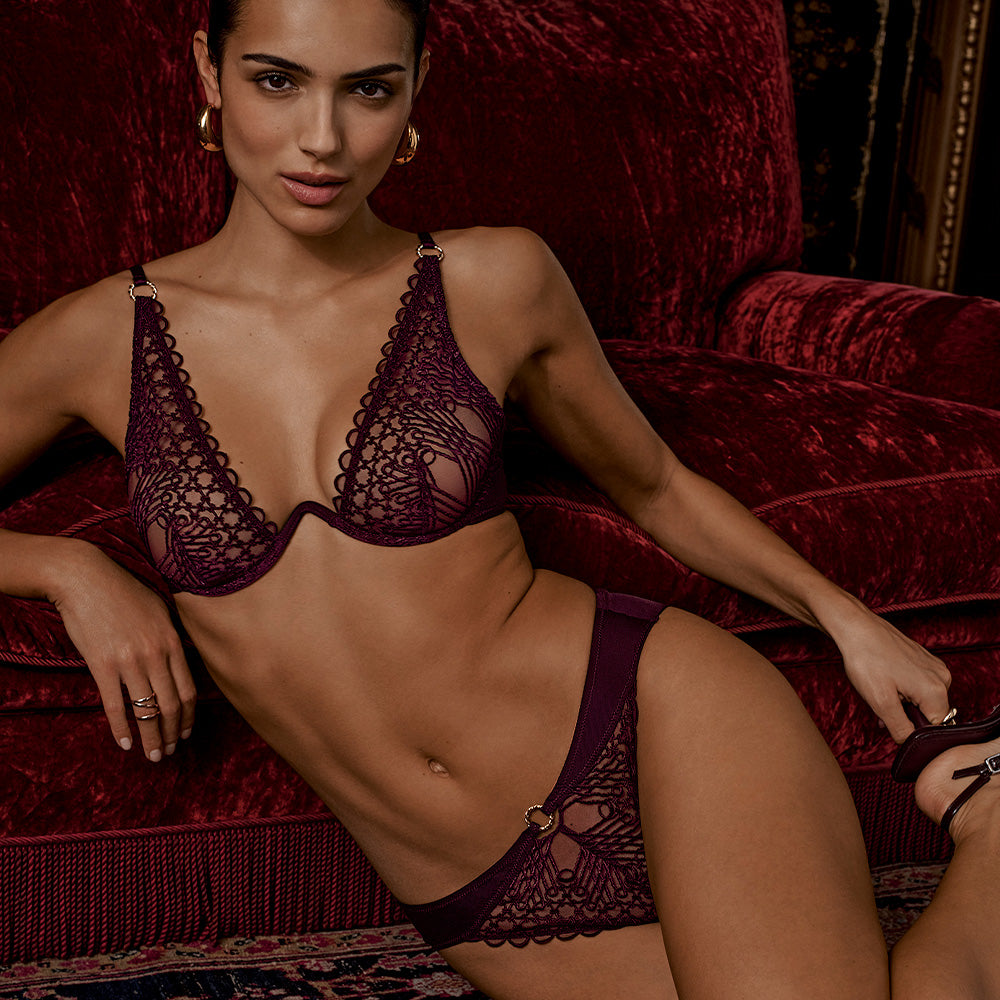
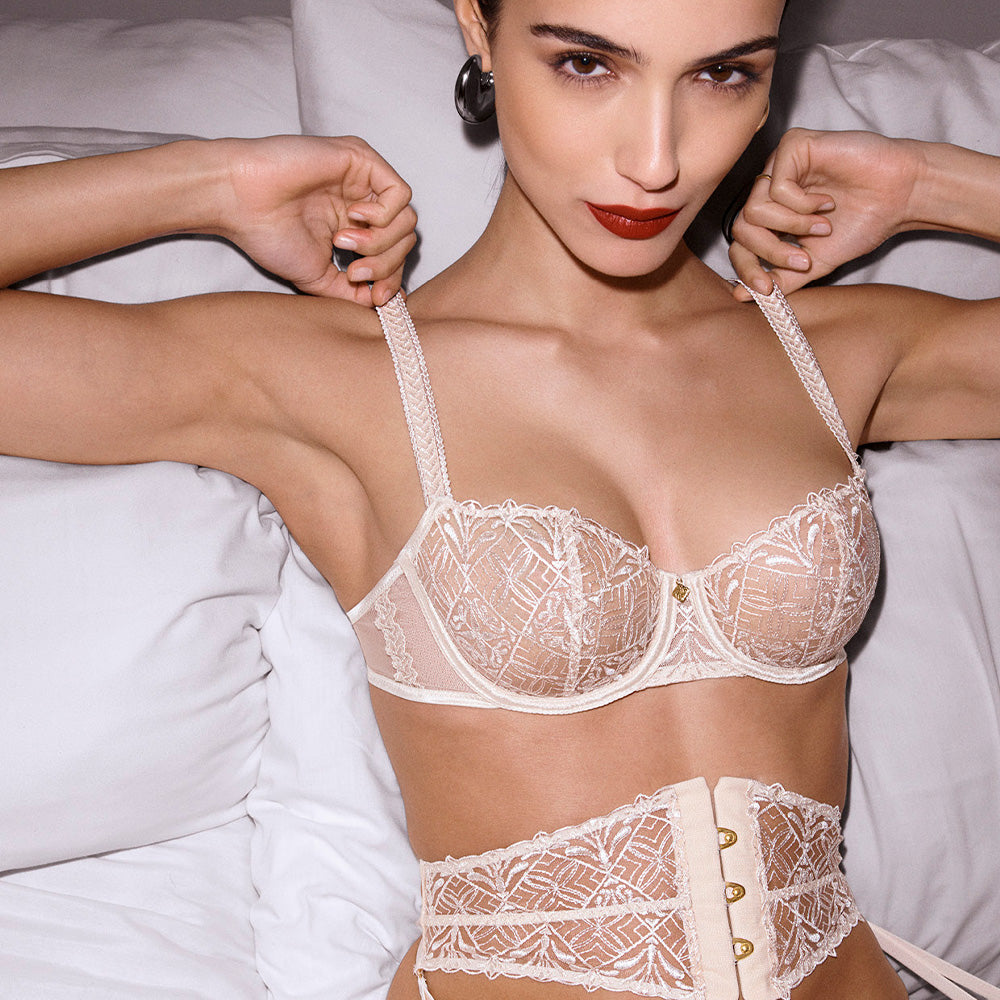

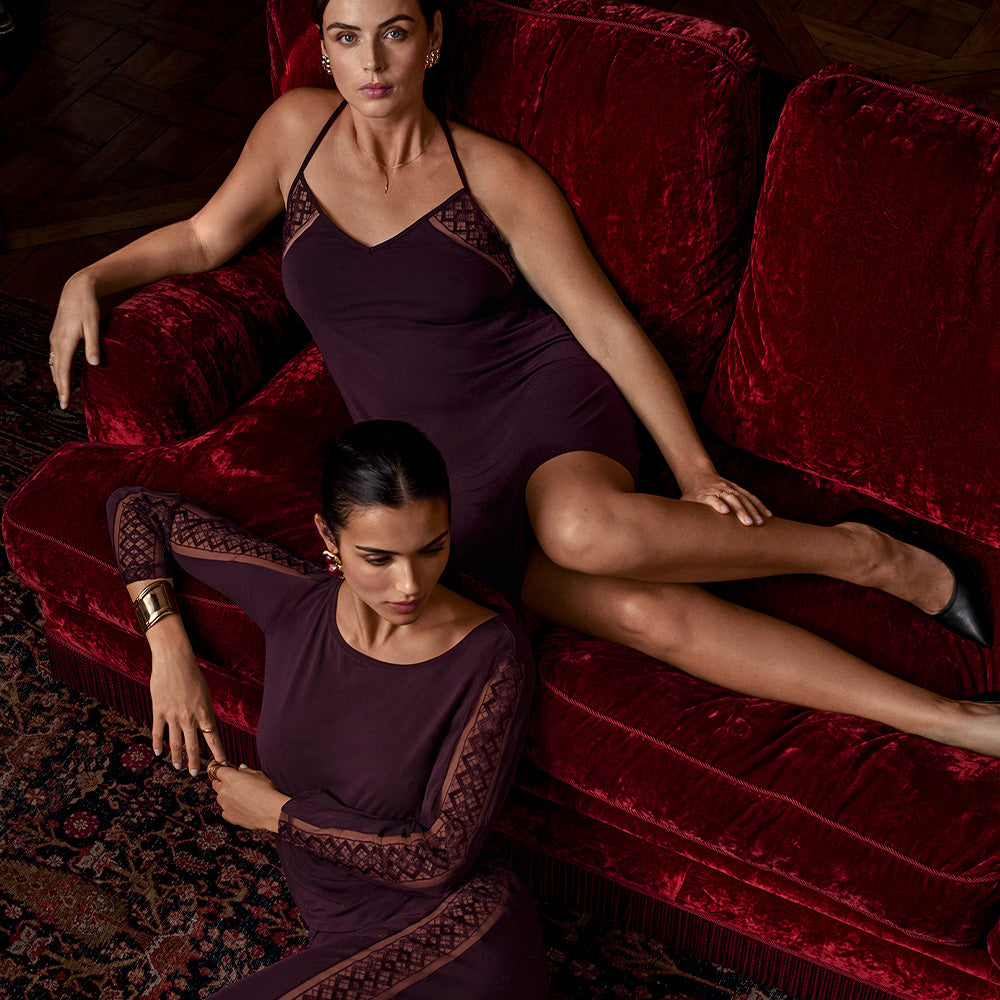




Lace: The refined textile that turns lingerie into art
Few textiles combine delicacy and sensuality like lace. For centuries, this exceptional material has stood for craftsmanship and feminine elegance, making it unrivalled in the world of lingerie to this day. Discover everything about its characteristics, production, and different types of lace.

What is lace? Origin and meaning of a unique textile
Lace is an ornamental textile created by intertwining, looping, or embroidering threads, resulting in a distinctive transparency. Its origins date back to 16th-century Europe, where lace was first considered a symbol of wealth. France quickly became a leading center of lace production and shaped its luxurious reputation.
What still makes lace so special today is the combination of lightness and depth. The fine patterns, floral ornaments, and intricate craftsmanship give garments a quality that goes far beyond function. Simple underwear becomes luxury lingerie, resembling small works of art.

How is lace made?
The production of lace is a craft that requires exceptional precision and care. Originally, lace was made entirely by hand through bobbin work, embroidery, or knotting, with each pattern requiring hours of work. Today, modern machines complement this tradition.
In modern production, a fine tulle mesh forms the base structure. The patterns are then machine-embroidered or woven into it. The result is a textile with a delicate structure that closely resembles handmade work. The combination of traditional knowledge and modern precision forms the foundation of contemporary lace.
What types of lace exist?
Not all lace is the same. Different types vary significantly in structure, production method, and character. The right choice depends on what you want to express. Lace can appear delicate and transparent, or opulent and striking.
Needle lace
Needle lace is considered the oldest and most elaborate form of lace making. It is created entirely by hand using a needle and thread on a pre-drawn base, without any woven support structure. This technique is known in French as Guipure.
Each motif is built entirely from thread, a process that requires extreme precision and many hours of craftsmanship. Needle lace is therefore rare and precious, used in lingerie mainly for highly exclusive pieces.
Bobbin lace
Bobbin lace is created by interlacing threads wound on wooden bobbins. Through precise crossing and weaving, the pattern is formed entirely by hand, reflecting the maker’s skill.
The most famous type of bobbin lace is Chantilly lace, named after the French town where it originated in the 17th century. Its fine floral patterns on a transparent background and exceptional lightness have made it a classic in French lingerie craftsmanship a textile that embodies sensuality and elegance like no other.
Crochet lace
Crochet lace is made by looping a single thread with a crochet hook into decorative patterns. Without a tulle base, it develops a three-dimensional structure with a pronounced relief. This type of lace feels more tactile and expressive and is often used in lingerie as a bold design element where the material is meant to speak for itself.
Tulle lace
Tulle lace uses a fine mesh as a base structure. The lace patterns are machine-embroidered or woven into it. The result combines the lightness of a transparent base with detailed ornamentation. In modern lingerie, it is one of the most widely used lace types: versatile, light on the skin, and subtly sensual.
What materials is lace made of?
The quality of lace begins with its material. Traditionally, lace was made from fine cotton or linen, giving it a soft, matte appearance. Later, silk introduced additional fluidity and a refined sheen, especially in haute couture.
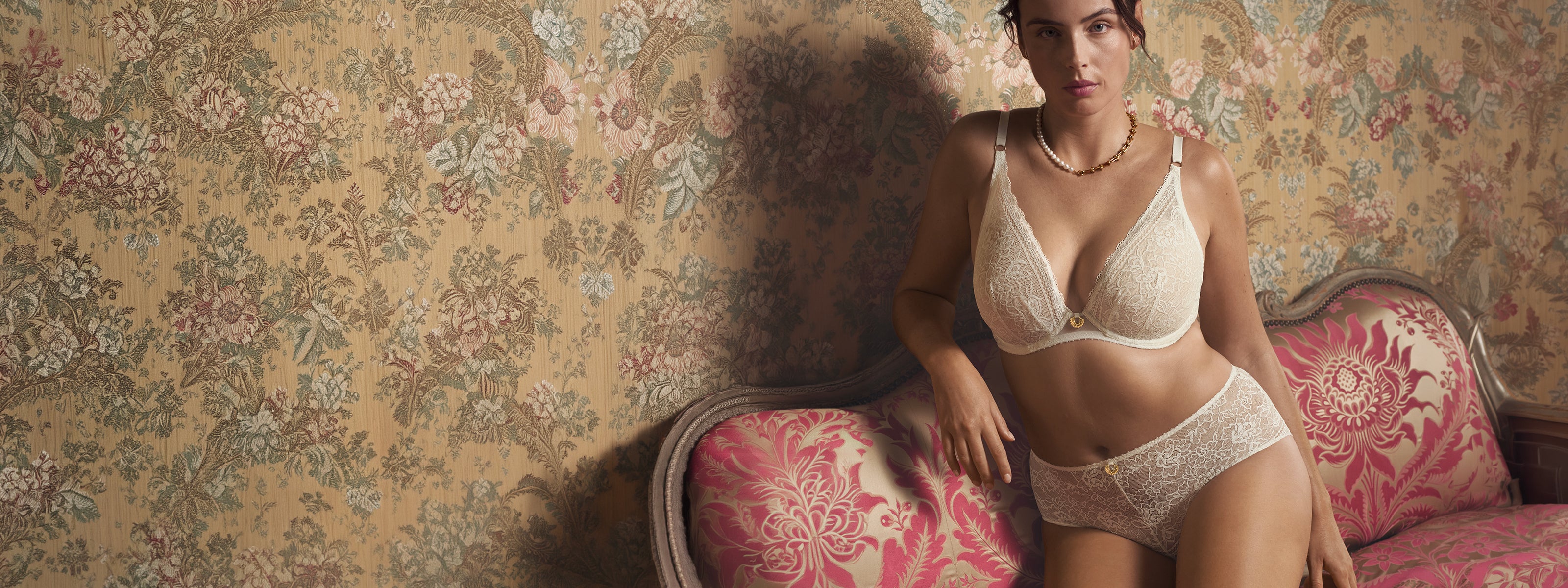
In modern lingerie, nylon and elastane dominate, as they provide elasticity and durability. High-quality lingerie often combines different materials: a fine nylon mesh as a base, elastane for fit, and intricate machine-made embroidery that brings the pattern to life.
Lace in lingerie: where craftsmanship meets sensuality
Lace and lingerie form a connection that has lasted for generations. Through its blend of transparency and concealment, lace creates delicate sensual patterns on the body. It touches the skin without constraining it and reveals without fully exposing.
This quality makes lace a preferred material for luxury bralettes and other high-end bra styles.
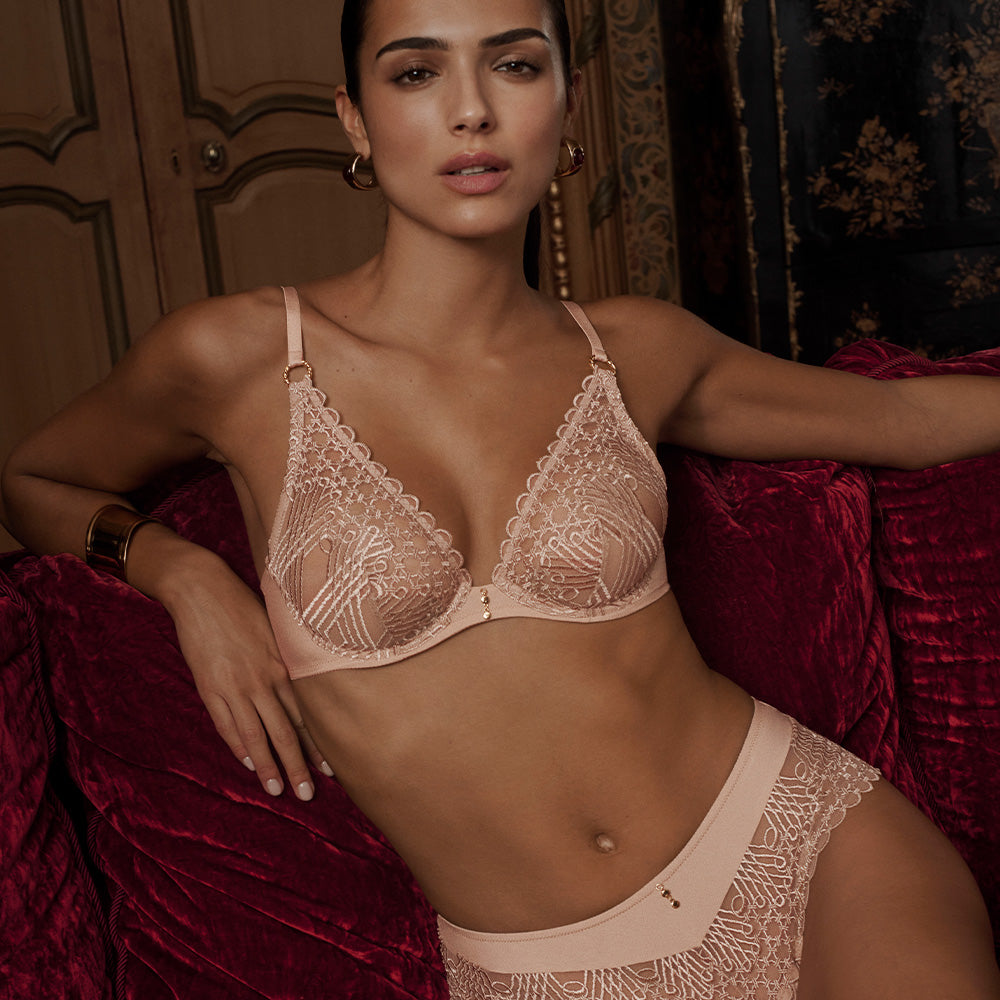
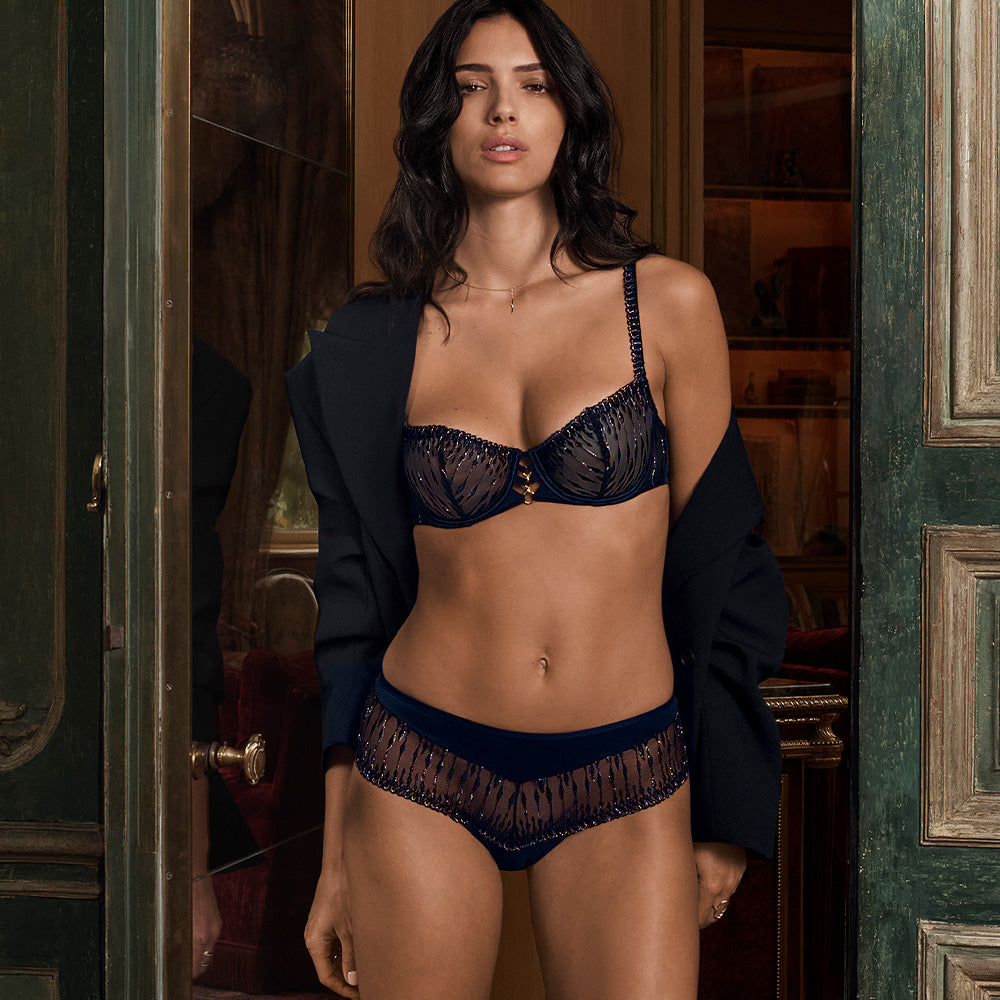
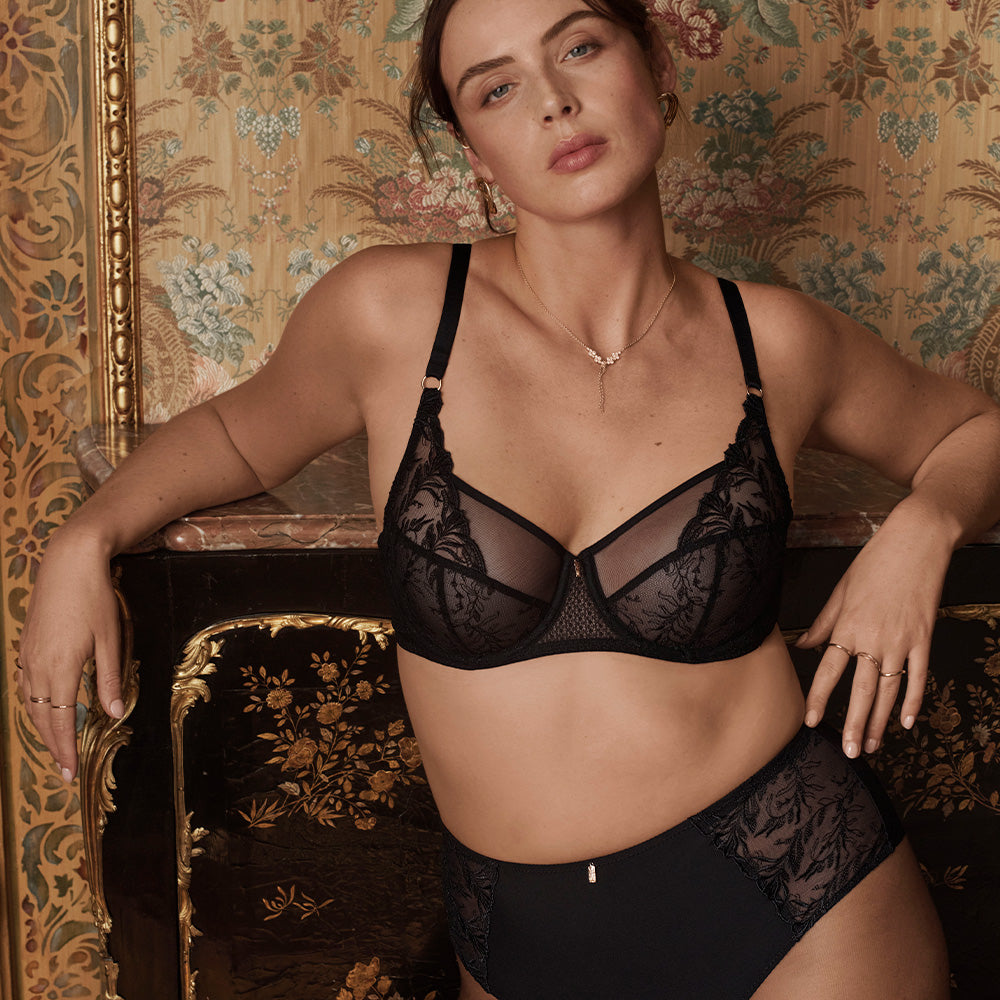
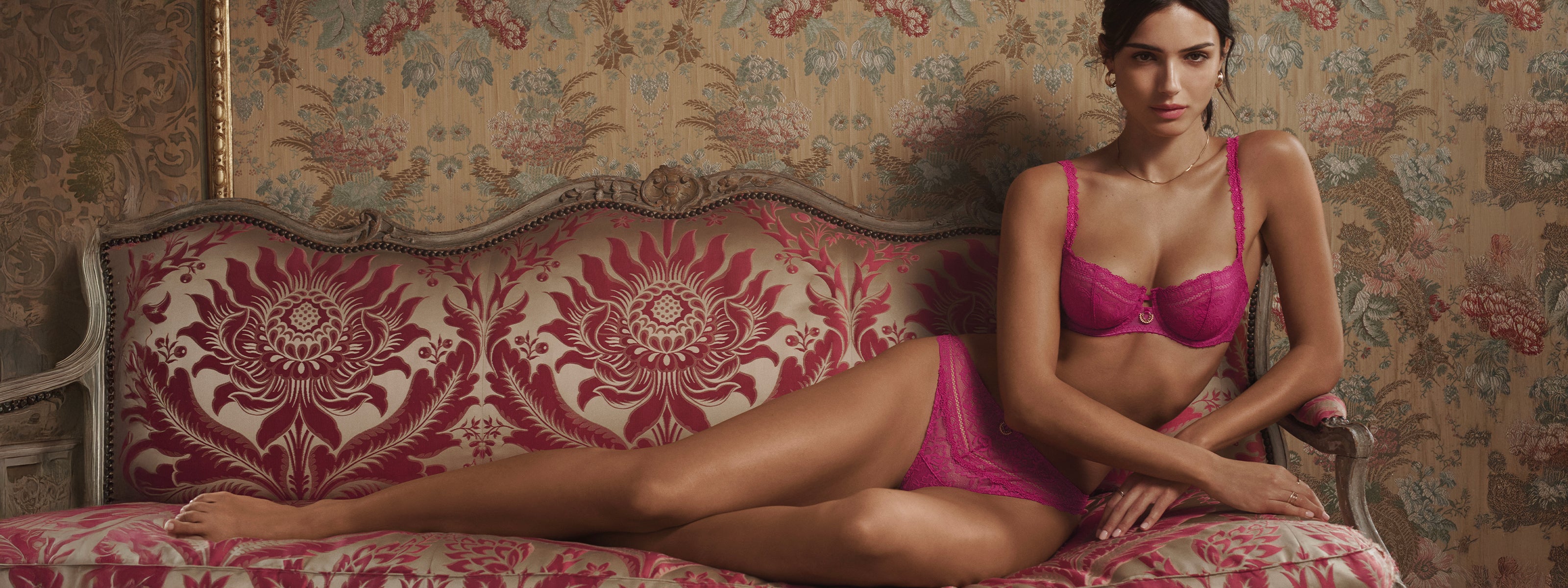
At Aubade, lace is not just decoration but an expression of craftsmanship and French artistry visible in every detail. Whether as a delicate trim on a bra, a fully embroidered bodysuit, or an elegant slip, lace gives each piece depth and sophistication.
Conclusion
Lace is a textile that has fascinated for centuries as an expression of tradition, craftsmanship, and femininity. From transparent Chantilly lace to sculptural crochet lace and modern elastic variations, its diversity allows it to constantly reinvent itself without losing its essence.
Choosing lace lingerie means choosing a special feeling: feminine, confident, and unmistakably delicate.
